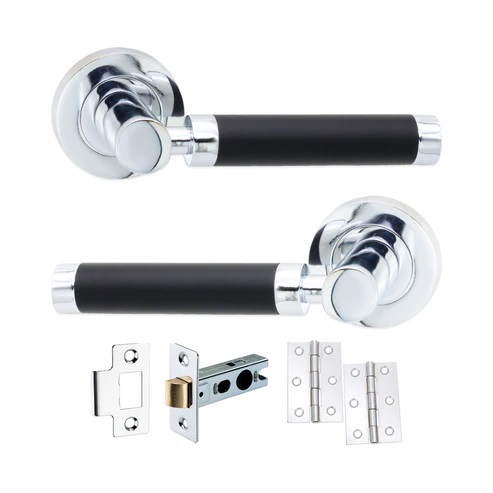
When it comes to securing doors while maintaining ease of access, the combination of a latch and lock plays a crucial role. Whether used in residential, commercial, or industrial settings, latch and lock systems provide both convenience and protection. Understanding how they work and how to choose the right type can significantly improve safety and usability.
What Is a Latch and Lock?
A latch and lock refers to a door mechanism that combines two essential functions: keeping a door closed (latch) and securing it against unauthorized access (lock). The latch holds the door in place when it is shut, while the lock ensures that the door cannot be opened without the correct key or mechanism.
This dual-purpose system is widely used in modern doors because it offers both practicality and security in a single unit.
How Latch and Lock Systems Work
A latch and lock system operates through two main components:
- Latch Mechanism: A spring-loaded bolt that automatically retracts when the handle or knob is turned and extends when the door is closed.
- Locking Mechanism: A secondary bolt or internal system that secures the door when engaged, often requiring a key, thumb turn, or digital input.
Together, these components ensure that the door stays closed and can be securely locked when needed.
Types of Latch and Lock Systems
There are several types of latch and lock systems designed for different purposes:
Tubular Latch and Lock
Commonly used in residential doors, this system is easy to install and works with door knobs or lever handles.
Mortice Latch and Lock
Installed داخل the door, mortice systems offer enhanced strength and are ideal for external doors requiring higher security.
Rim Latch and Lock
Mounted on the surface of the door, rim systems are often used in traditional settings and are easy to retrofit.
Deadbolt with Latch and Lock
This combination includes a standard latch and an additional deadbolt for increased security, commonly found on front doors.
Materials and Build Quality
The effectiveness of a latch and lock system depends on the materials used. High-quality options are typically made from:
- Stainless steel for corrosion resistance
- Solid brass for durability and classic appeal
- Zinc alloy for affordability and versatility
Strong materials ensure that the latch and lock can withstand frequent use and resist tampering.
Advantages of Using Latch and Lock Systems
Choosing a latch and lock system offers multiple benefits:
- Enhanced Security: Combines closure and locking in one mechanism
- Convenience: Easy operation for daily use
- Versatility: Suitable for various door types and applications
- Durability: Designed for long-term performance
These advantages make latch and lock systems a standard choice in modern construction.
Where Latch and Lock Systems Are Used
Latch and lock mechanisms are commonly installed in:
- Residential front and interior doors
- Office and commercial buildings
- Storage rooms and utility spaces
- Hotels and rental properties
Their adaptability makes them suitable for nearly any environment requiring controlled access.
Installation Considerations
When installing a latch and lock system, it is important to ensure:
- Proper alignment of the latch and strike plate
- Compatibility with door thickness and material
- Secure fitting to prevent loose operation
Professional installation is recommended for external doors to ensure maximum security.
Maintenance Tips
To maintain the efficiency of a latch and lock system:
- Clean regularly to remove dust and debris
- Lubricate moving parts periodically
- Check for loose screws or misalignment
Regular maintenance helps extend the lifespan and ensures smooth operation.
Conclusion
A latch and lock system is an essential component of door hardware, providing both functionality and security. By combining a reliable latch with a secure locking mechanism, it ensures ease of use while protecting against unauthorized access. Whether for homes or commercial spaces, choosing the right latch and lock system is key to achieving safety, durability, and long-term performance.